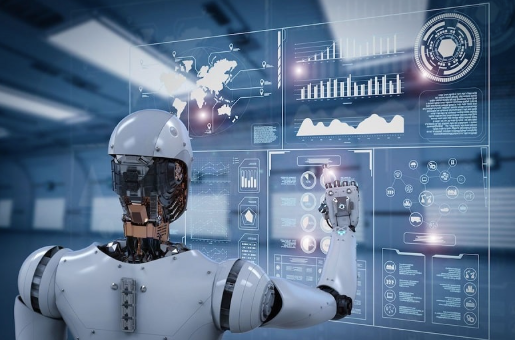
AI is transforming cybersecurity through advanced methodologies that enhance threat detection and prevention mechanisms. By employing real-time monitoring and predictive analytics, AI identifies anomalies that may indicate potential security breaches. This proactive approach minimizes vulnerabilities and strengthens defenses. Furthermore, automation in incident response not only streamlines processes but also significantly reduces human error. As organizations increasingly adopt these technologies, the implications for the future of cybersecurity remain profound and worth examining.
How AI Enhances Threat Detection and Prevention
As organizations increasingly face sophisticated cyber threats, the integration of artificial intelligence (AI) into threat detection and prevention systems has become imperative.
AI enhances anomaly detection through real-time monitoring, identifying deviations from established patterns. Additionally, predictive analytics empowers organizations to anticipate potential threats, enabling proactive measures.
This dual approach strengthens defenses, allowing entities to safeguard their digital environments while maintaining the freedom to operate securely.
The Role of AI in Incident Response Automation
How can organizations effectively streamline their incident response processes in an increasingly complex cybersecurity landscape?
Leveraging automation tools powered by AI can significantly enhance efficiency. These tools enable rapid detection, assessment, and remediation of threats, minimizing human error and response time.
AI-Driven Behavioral Analytics for Improved Security
While traditional security measures often rely on static parameters, AI-driven behavioral analytics offer a dynamic approach to identifying potential threats.
By analyzing behavioral patterns, these advanced systems facilitate anomaly detection, enabling organizations to swiftly recognize deviations from normal activity.
This proactive methodology enhances security measures, allowing for timely interventions and ultimately fostering a safer digital environment that champions freedom and autonomy in data management.
See also: How AI Is Changing the Future of Work
Future Trends: AI Innovations Shaping Cybersecurity
With the rapid evolution of technology, AI innovations are poised to fundamentally reshape the landscape of cybersecurity.
Future advancements will likely emphasize predictive analytics and automated monitoring, enabling organizations to proactively identify vulnerabilities and respond to threats in real time.
These innovations promise to enhance security measures, empower users, and foster a more resilient digital environment, ultimately safeguarding the freedom and integrity of online interactions.
Conclusion
In conclusion, the integration of AI in cybersecurity represents a pivotal shift in safeguarding digital environments. By enhancing threat detection, automating incident response, and employing behavioral analytics, AI equips organizations to stay a step ahead of cyber adversaries. As the landscape evolves, embracing these advancements will be crucial; after all, an ounce of prevention is worth a pound of cure. Organizations must not only adapt but also proactively innovate to fortify their defenses against emerging threats.