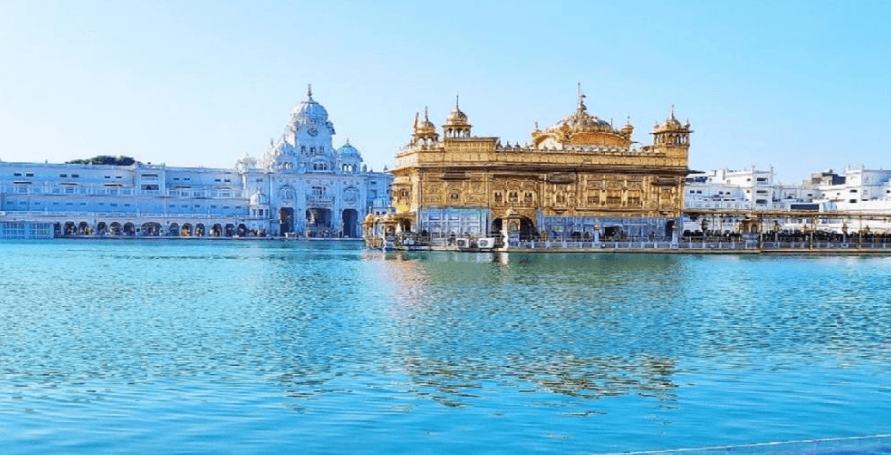
Delhi, the vibrant capital of India, is a city steeped in history and culture. It beautifully showcases a blend of ancient traditions and modern developments, making it a unique destination. Home to several UNESCO World Heritage Sites, such as the Red Fort and Qutub Minar, Delhi offers visitors a glimpse into the rich past of the country. The bustling streets are filled with a variety of flavors, sounds, and sights, making it an exhilarating place to explore. From the elegant architecture of the India Gate to the serene expanses of the Lotus Temple, every corner of this metropolis holds a story waiting to be discovered. As a central hub of politics, commerce, and education, Delhi also serves as a melting pot of diverse cultures, further contributing to its appeal.
For travelers seeking to reach this dynamic city, various airlines offer convenient flight options. Notably, Cathay Pacific provides flight services from Seattle To Delhi , catering to passengers looking for comfort and reliability as they journey to Delhi. With multiple international airports and well-connected domestic routes, the city is accessible to visitors from all over the world. Whether you’re coming for business, leisure, or cultural exploration, the seamless connectivity ensures that Delhi is just a flight away. This ease of access enhances the travel experience, making it more feasible for tourists to immerse themselves in the city’s vibrant life and extensive heritage. With its alluring blend of the past and present, Delhi continues to captivate the hearts of all who set foot in this historical metropolis.
Jama Masjid
Visiting Jama Masjid, one of India’s largest mosques, is an enriching experience that reflects the architectural grandeur and spiritual heritage of Delhi. To fully enjoy your visit, start by planning your trip during early morning or late afternoon. The mosque opens to visitors from 7 AM to 12 PM and 1:30 PM to 6:30 PM, and these hours offer a more serene atmosphere before or after the bustling crowds. Additionally, early or late visits also allow for stunning photographic opportunities with the rich light playing on the intricate Mughal architecture.
Dress modestly and appropriately before entering the mosque. As a place of worship, Jama Masjid requires visitors to adhere to certain dress codes. Men should avoid shorts, while women are encouraged to wear long dresses or skirts. It’s customary for women to cover their heads with a scarf, which can often be rented or borrowed upon entry. Being respectful of local customs not only enriches your experience but also honors the sacredness of the site.
While at the mosque, take time to appreciate its majestic structure, which includes towering minarets and stunning domes. Spend a few moments observing the daily rituals and prayers that occur within its walls. The serene ambiance, contrasted with the sounds of the city outside, creates a unique atmosphere that invites reflection. The mosque’s courtyard, one of the largest in India, provides ample space for visitors to explore its beauty while maintaining a respectful distance from worshippers.
Lastly, consider sampling the traditional Mughlai cuisine available in nearby markets after your visit. The area surrounding Jama Masjid is famous for its delectable food options, including biryanis, kebabs, and sweets. This cultural immersion will not only enhance your experience of visiting the mosque but also provide a glimpse into the rich culinary heritage of the region. Embrace the spirit of exploration, and your trip to Jama Masjid will be truly memorable.
Lotus Temple
The Lotus Temple, an architectural marvel located in New Delhi, India, is a symbol of unity and peace. Designed in the shape of a blooming lotus flower, the temple is an exceptional example of contemporary architecture. Completed in 1986, the structure features 27 petal-like components made of white marble, which reflect light beautifully throughout the day. Surrounded by lush green gardens and serene ponds, the temple invites visitors to escape the hustle and bustle of urban life and find tranquility in its sacred space.
As the Bahá’í House of Worship, the Lotus Temple stands as an invitation to people of all faiths to gather and meditate. Unlike traditional temples, the Lotus Temple does not have idols or rituals, promoting instead a culture of harmony and inclusivity. Visitors are encouraged to participate in silent prayer or meditation, regardless of their religious background. This openness aligns with the Bahá’í teachings of oneness, making it a unique spiritual haven in a diverse city.
The temple’s design not only captivates the eye but also embodies profound symbolic meanings. The lotus flower is revered in many cultures, symbolizing purity, enlightenment, and rebirth. The architectural choice reflects these values, creating a space that encourages self-reflection and a deeper understanding of one’s spiritual path. The interplay of natural light within the temple enhances this serene atmosphere, making it a perfect place for introspection and peace.
Moreover, the Lotus Temple has become one of the most visited buildings in the world, attracting millions of tourists and pilgrims each year. Its commitment to environmental sustainability, through water conservation and green spaces, further establishes its reputation as a modern marvel. Whether you are drawn by its beauty, spiritual significance, or the tranquility it offers, the Lotus Temple is an experience that leaves a lasting impression on all who visit.
See also: Business Automation: Save Time and Money
India Gate
India Gate, an iconic monument located in New Delhi, stands as a tribute to the brave soldiers of the British Indian Army who lost their lives during World War I and the Afghan Wars. Designed by the renowned architect Sir Edwin Lutyens, this grand archway was inaugurated in 1931 and is inspired by the Arch de Triomphe in Paris. The structure is made of red sandstone and granite, towering at a height of 42 meters. Inscribed with the names of over 13,000 soldiers, India Gate serves not only as a remarkable piece of architecture but also as a poignant reminder of the sacrifices made by countless men during a tumultuous time in history.
As one strolls through the lush green lawns that surround India Gate, the monument’s majestic presence resonates with visitors from all walks of life. It has become a popular gathering spot for locals, tourists, and families alike. The area is particularly lively in the evenings, when street vendors offer an array of snacks and treats, creating an inviting atmosphere filled with laughter and chatter. The backdrop of sparkling lights illuminating the Gate lends a festive air, making it a favorite haunt for evening picnics and leisurely walks.
Every year, India Gate becomes a focal point during national celebrations, most notably on Republic Day, when the grand military parade marches past this iconic landmark. Additionally, it memorializes the Amar Jawan Jyoti, or the Flame of the Immortal Soldier, which was added in 1971 in honor of unknown soldiers who laid down their lives in post-independence conflicts. This eternal flame burns brightly beneath the arch, serving as a solemn tribute to valor and sacrifice, capturing the spirit of patriotism that India holds dear.
In essence, India Gate is more than just a monument; it embodies the spirit of unity, resilience, and honor that characterizes the Indian nation. It stands as a silent guardian to the memories of the past while inviting future generations to remember the values of sacrifice and bravery. As visitors pay tribute and reflect on the lives that were lost for freedom and peace, India Gate continues to inspire a profound appreciation for the nation’s history and the resilience of its people.