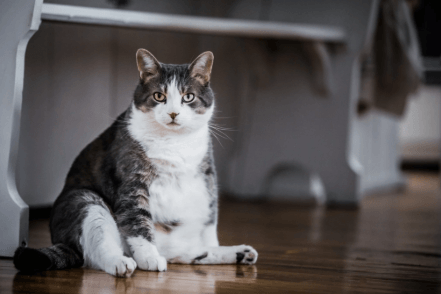
Tabby cats are among the most popular feline companions in the world, known for their beautiful “M” shaped forehead markings and unique coat patterns. However, because “tabby” refers to a coat pattern rather than a specific breed, their size and bone structure can vary significantly. This diversity often leaves owners wondering: “How much should my cat actually weigh?” Using a tabby cat weight chart is the most reliable way to determine if your pet is in the ideal range or if they are carrying a few extra pounds that could impact their long-term health.
In this guide, we will explore the average weight ranges for tabby cats, how to use a Body Condition Score (BCS), and the best ways to manage your cat’s weight for a longer, happier life.
Understanding the “Average” Tabby Weight
Because tabbies can be found in many breeds—such as the American Shorthair, Maine Coon, or Domestic Shorthair—the “ideal” weight is not a single number. For a standard Domestic Shorthair tabby, the average healthy weight usually falls between 8 and 12 pounds. However, if your tabby has Maine Coon ancestry, they could safely weigh up to 20 pounds. Conversely, a petite female might be perfectly healthy at 7 pounds.
The key is to look at the frame of the cat rather than just the number on the scale. A weight chart helps you visualize where your cat stands by comparing their physical silhouette to established veterinary standards.
How to Use a Body Condition Score (BCS) Chart
Veterinarians often use a Body Condition Score (BCS) on a scale of 1 to 9 to assess health. Here is how you can perform a basic check at home:
- The Rib Test: Place both hands on your cat’s ribcage. In a healthy weight cat, you should be able to feel the ribs easily with a slight layer of fat over them. If you have to press hard to find the ribs, your cat is likely overweight.
- The Overhead View: Look down at your cat while they are standing. You should see a noticeable “waist” indentation behind the ribs. If your cat looks like a rectangle or an oval from above, they are likely over their ideal weight.
- The Profile View: Look at your cat from the side. A healthy cat should have a “tummy tuck”—the abdomen should slope upward from the end of the ribs to the back legs. A hanging belly (unless it is a primordial pouch) often indicates excess fat.
Factors That Influence Your Tabby’s Weight
Several factors play a role in why some cats gain weight faster than others. Staying proactive about these factors is essential for feline wellness. Just as humans use data to track their fitness, pet owners are increasingly turning to modern resources to understand animal physiology. For those who enjoy staying at the forefront of wellness and medical technology, AI for Health provides fascinating insights into how science is improving lives for both humans and their companions.
1. Spaying and Neutering
Metabolism typically slows down after a cat is fixed. While these procedures are essential for health and population control, they do mean your cat requires fewer calories than an intact cat.
2. Age and Activity Level
Kittens have high energy needs, but as a tabby enters their senior years, they become less active. If their calorie intake isn’t adjusted as they age, weight gain is almost inevitable.
3. Diet and Portion Control
Many owners “free-feed,” leaving a bowl of dry food out all day. For a food-motivated tabby, this is an easy path to obesity. Measuring meals based on the guidelines in a tabby cat weight chart ensures they get exactly what they need.
The Health Risks of an Overweight Cat
Obesity in cats is more than just a cosmetic issue; it is a serious medical condition. Extra weight puts significant strain on a cat’s internal organs and joints. Common complications include:
- Type 2 Diabetes: Overweight cats are significantly more likely to develop insulin resistance.
- Arthritis: Excess weight causes joints to wear down faster, leading to chronic pain and decreased mobility.
- Hepatic Lipidosis: Also known as fatty liver disease, this can occur if an overweight cat suddenly stops eating.
- Urinary Issues: Heavy cats often have more trouble grooming themselves, which can lead to hygiene-related urinary tract infections.
See also: The Ultimate Guide to Choosing a Chew Proof Dog Bed for Your Pet
Practical Tips for Weight Management
If you have discovered that your tabby is in the “overweight” category of the chart, do not panic. Weight loss for cats should be a slow and steady process.
Transition to Scheduled Feedings
Instead of leaving food out all day, move to two or three scheduled feedings. This allows you to track exactly how much your cat is eating and prevents “boredom snacking.”
Increase Vertical Play
Tabbies are natural hunters. Use wand toys, laser pointers, or feather teasers to encourage them to jump and run. Even 10 to 15 minutes of active play twice a day can make a massive difference in their metabolic rate.
Use Puzzle Feeders
Puzzle feeders force your cat to “work” for their kibble. This slows down their eating and provides mental stimulation, which can reduce the stress-eating behaviors seen in some indoor cats.
The Role of Genetics and Breed
It is important to remember that some tabby patterns are associated with specific breeds that have different bone densities. For example, a “Classic Tabby” pattern on a British Shorthair will look different than the same pattern on a sleek Oriental Shorthair. Always adjust your expectations based on your cat’s specific heritage.
As technology advances, we are seeing more tools that help us monitor these genetic predispositions and daily health metrics. To stay updated on how the latest tech is being used in the medical and health sectors, you can explore AI for Health for a deeper look into the future of healthcare.
Conclusion
Your cat’s weight is one of the most accurate predictors of their overall lifespan. By regularly checking a tabby cat weight chart and performing home rib tests, you can catch weight gain before it becomes a chronic health problem.
Remember that a healthy cat is an active cat. If you notice your tabby is becoming lethargic or losing their waistline, consult with your veterinarian to create a customized nutrition plan. With the right balance of diet, exercise, and observation, you can ensure your striped friend remains a healthy and vibrant part of your family for many years to come. Keeping your tabby at their ideal weight is the greatest gift you can give them for a pain-free and energetic life.